In addition to wrinkle reduction, preventative Botox is a good way to keep looking good in Tribeca. Botox has become one of the most popular cosmetic treatments for people who want to keep a fresh appearance without surgery in mind and so it’s becoming one of the most popular cosmetic treatments for people who want to look nice without surgery. Botox is associated with deep wrinkles but more people are starting treatment before those lines are permanently etched into the skin in the long run. Preventative Botox is well-established among professionals and active people, who appreciate subtle improvements that help them look like themselves to continue to look the same as they do. For people who are looking to take Tribeca Botox treatments will be able to get a better understanding of the benefits of treatment in the long term by understanding how preventative Botox works to know if starting those earlier might be the first step in the disease and to decide if it’s worth getting treatment.
Rather than radical changes in facial expression, preventative treatment works in terms of slowing down the formation of wrinkles that are not in line with natural movement.
What is Preventative Botox?
Preventative Botox is the injection of botulinum toxin in order to slow the formation of expression lines that become permanent static wrinkles. Dynamic wrinkles develop when facial muscles contract to do anything from smiling to laughing to squinting to raising eyebrows or frowning.
When people are young they disappear as soon as they relax their muscles. But over time, muscle movement and decreased collagen production lead to these temporary lines appearing even when your face is resting.
Botox temporarily relaxes certain muscles that are responsible for these repetitive movements. The skin folds less quickly when the force of contraction is minimized and wrinkles develop slower.
Preventative care is not about freezing the face. Experienced injectors will carefully target different muscles for treatment and the face is free of wrinkles and is still able to move and express itself at will.
Why Are More Adults Starting Early?
People in their late twenties and early thirties are turning to Botox before major wrinkles are formed. This trend reflects the shift in cosmetic medicine from the treatment of aging that is too late to keep the skin young and healthy.
Instead of waiting until forehead lines or crow’s feet develop or after smiling or frowning to seek treatment and a doctor’s attention, patients go for treatment when they first see slight lines on their forehead and face that seem to have appeared.
Starting treatment earlier could mean smaller doses and fewer treatment areas than waiting until the deep lines appear. And patients also appreciate that preventative Botox is more subtle than big changes that are more likely to get noticed.
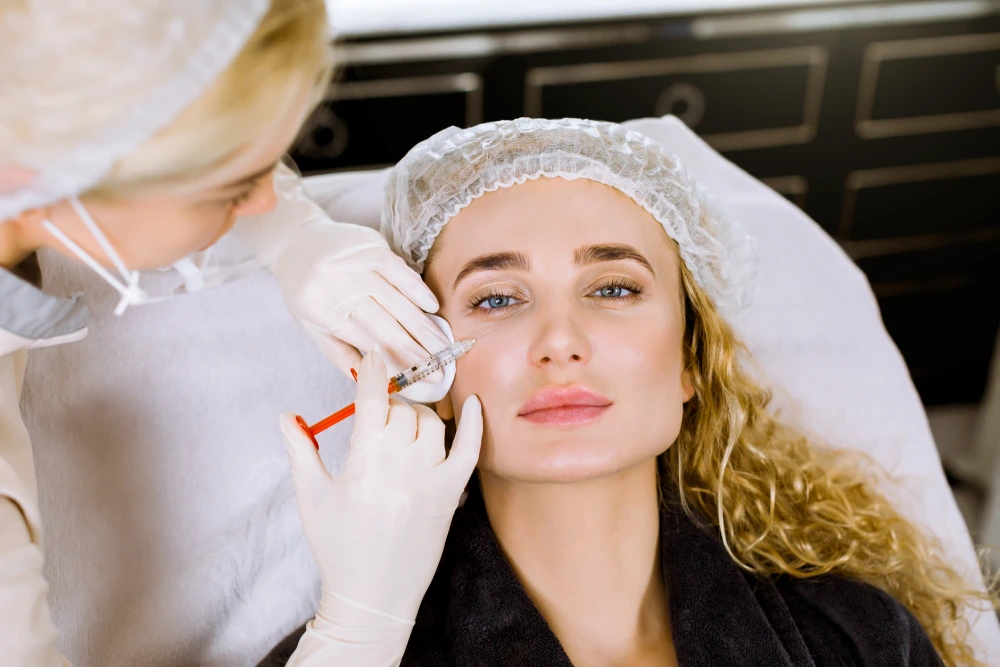
How Wrinkles Form
There are lots of things that cause facial aging and the repeated movement of muscles is just one of them.
Over time, natural aging causes collagen and elastin production to decrease naturally. These structural proteins help keep skin firm, smooth and resilient.
Sun exposure accelerates collagen breakdown through ultraviolet radiation. Smoking, pollution, dehydration, stress, lack of sleep, and genetics also contribute to how quickly wrinkles appear.
Facial muscles contract so frequently that the skin folds in a precise pattern. Those tens of thousands of times over will eventually lead to permanent creases.
Botox is one of the most common ways of dealing with wrinkle formation due to its ability to slow down muscle movement while other skincare strategies help maintain skin quality.
Common Areas Treated with Preventative Botox
Some facial regions respond well.
The forehead is one of the most frequently treated locations because the repeated movement of the eyebrows produces horizontal lines that become deeper over time.
Between the eyebrows, repeated frowning can produce vertical lines called “11 lines” or glabellar lines that are commonly seen during the day.
Crow’s feet around the eyes develop from smiling, laughing and squinting. Since the skin surrounding the eyes is naturally thinner than other facial areas, wrinkles can present in that region more quickly.
Some patients get treatment around the nose for bunny lines or around the chin for dimpling. A consultation will determine the muscles that contribute most to the facial movements of the individual.
Natural Results Are Dependent on Good Technique
Probably the most commonly said misconception about Botox is that it creates an expressionless appearance.
In reality, unnatural outcomes typically arise from excessive dosing of Botox, incorrect injection placement or treatment methods that are not sensitive to the anatomy of the patient.
A practiced injector will study the facial expression and whether the patient smiles, frowns, raises the eyebrows and relaxes. This assessment can determine the muscles that need treatment and how much of it is appropriate.
Botox treatments nowadays have an emphasis on maintaining normal facial expressions and decreasing muscle activity.
Friends and coworkers are often quick to recognize that patients seem tired and fresh with no real recognition that they have been given cosmetic treatment.
How Long Does Preventative Botox Last?
Botox is temporary and nerve signals are slowly restored to the body.
Most patients get the best results after about 3 to 4 months, but the duration varies by metabolism, treatment area, muscle strength and dosage.
When muscle activity returns slowly, movement does not slow down overnight but rather it picks up gradually.
Patients often schedule maintenance appointments several times a year in order to ensure that things go right.
At the end of the day, muscles are less active and treatment time may be extended slightly between appointments too.
How Old Should I Start Using Botox?
There is no age at which one should begin Botox.
Some people develop noticeable expression lines in their twenties because of genetics or because of facial expressions that are expressive on their face. Others don’t need treatment until their late thirties or forties.
More so than chronological age, the decision is more about visible skin changes and not birthdays.
Instead of simply focusing on birthdays, providers assess if dynamic wrinkles are beginning to linger after facial muscles relax.
Patients with minimal facial lines do not benefit from treatment too early.
A personalized consultation is the best way to determine when preventative Botox is appropriate.
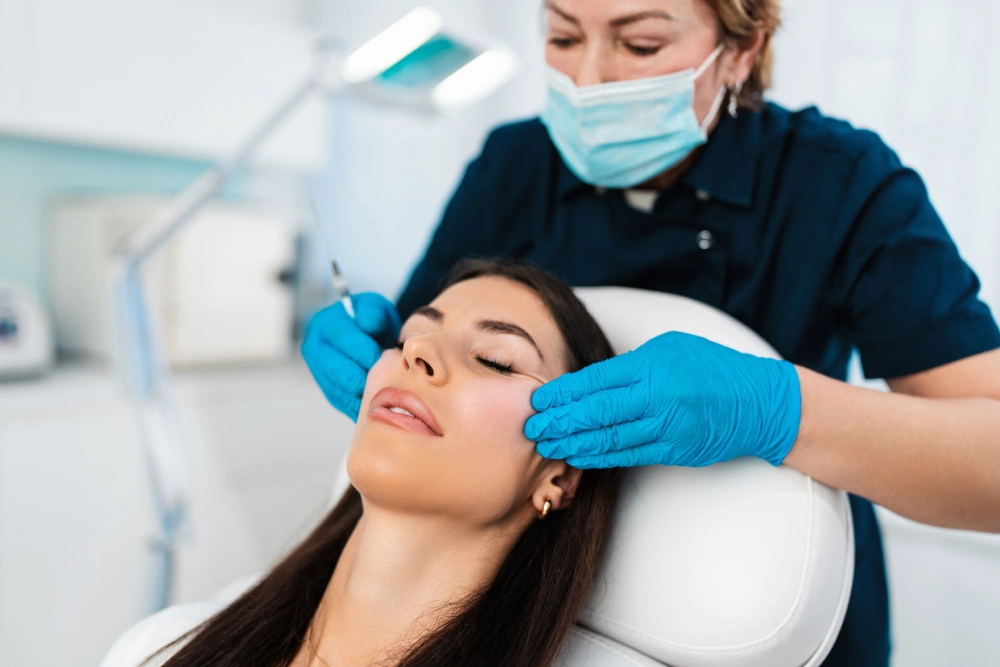
Combining Botox with Good Skincare
Botox is a good part of the skin maintenance plan.
Daily sunscreen keeps collagen from UV damage and prevents future pigmentation and premature aging.
Medical-grade skincare products containing retinoids, antioxidants, peptides and growth factors can contribute to skin texture and collagen production.
Regular moisturizing is the main means to protect the skin barrier and hydration.
Healthy lifestyle habits—good sleep, proper nutrition, hydration and avoiding tobacco products—also contribute to healthier skin.
These are all ways to combat aging rather than relying on injections alone.
The Appointment
Botox is usually quick and not an inconvenience to the busy life.
The provider reviews the history of each patient, talks about cosmetic goals and looks at facial movement in different expressions.
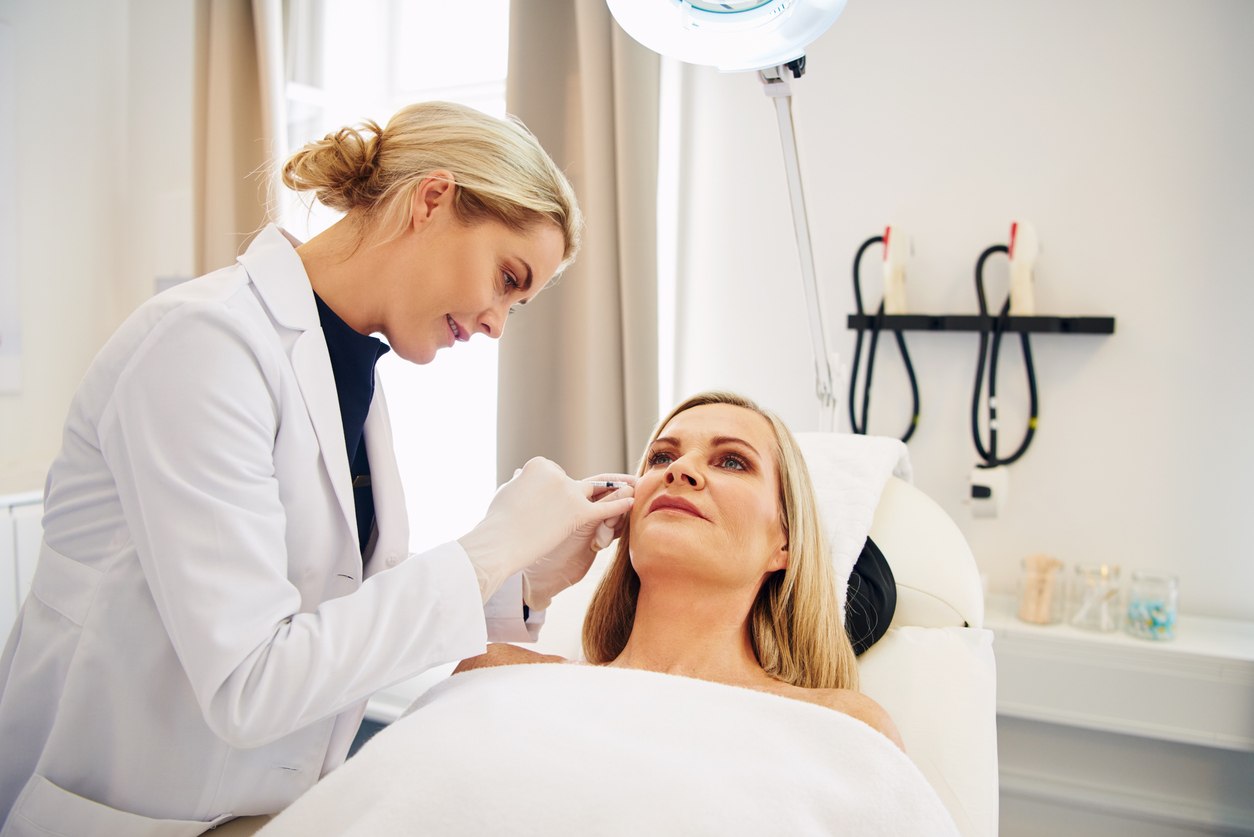
The skin is cleaned before a series of small injections are made into selected muscles using a very fine needle.
Most patients report mild discomfort for a few seconds but feel minimal pain and then return to work or daily life.
For example, after treatment, patients can go back to work or daily life immediately.
Providers may suggest avoiding strenuous exercise, lying flat for several hours afterward or rubbing the areas after treatment to achieve ideal results.
Setting Realistic Expectations
The use of Botox is highly effective for dynamic wrinkles caused by muscle movement but doesn’t address every sign of aging.
Volume loss, severe skin laxity, deep sun damage and changes in facial structure all require other treatments in addition to Botox.
Dermal fillers, laser resurfacing, chemical peels, microneedling, radiofrequency treatments, and medical-grade skincare should be considered based on individual needs.
An evaluation will allow providers to tailor treatments to each patient’s needs and not only that but also a single procedure.
Choosing an Experienced Injector
Training to be able to understand the facial anatomy, muscle balance, injection techniques, and treatment planning is valuable.
Inexperienced injectors work with a balanced, natural look rather than just getting rid of every wrinkle.
In a consultation patients should feel confident to talk about their goals, ask questions, look at before-and-after pictures and get a sense of what is expected and what risks and maintenance is going to be involved.
Botox is a natural treatment for aging if we can begin at the time of the aging of the face (not too late).
Consistently reducing repetitive muscle movement before permanent lines are formed and maintaining the natural look of the skin can ensure that patients have smooth skin and a natural expression.
People who decide to take Tribeca Botox treatments don’t want anything big in terms of what they look like.
In fact, it’s very much more likely that an informed treatment can restore a fresh appearance that is in line with healthy skin and helps them remain healthy for lifelong facial revival.
In a well-experienced injector, preventative Botox can be a part of a whole plan to age gracefully and still look like the best version of yourself.